
Why Interim Inspections Matter Under the Renters’ Rights Act

Introduction
The Renters’ Rights Act introduces periodic tenancies as the standard structure for private rentals in England.
With reduced reliance on fixed tenancy end dates, the importance of maintaining accurate records throughout the tenancy increases.
The Issue
A check-in inventory establishes the condition of a property at the start of a tenancy. A check-out report records the condition at the end.
That comparison forms the basis of any end of tenancy assessment.
The limitation is not in the reports themselves, but in the absence of any formal record between them.
Over the course of a tenancy, condition changes progressively rather than at a single point in time.
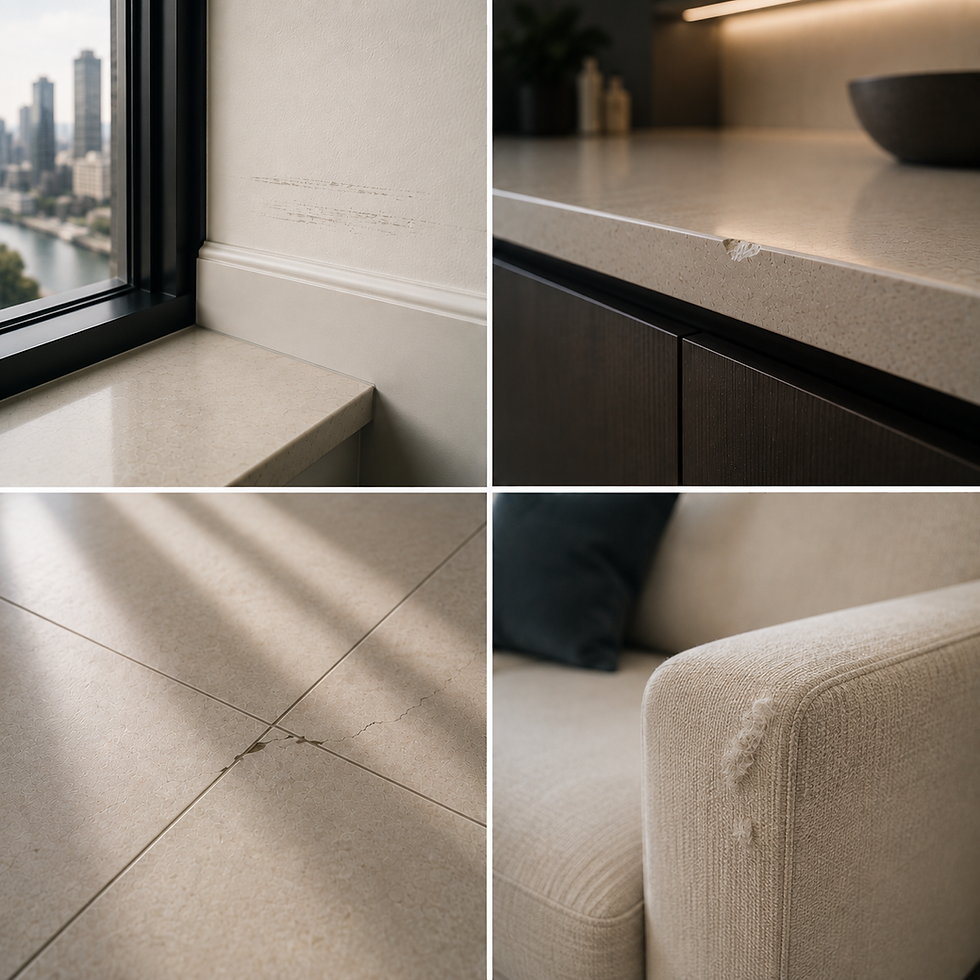
Cleaning standards may decline. Wear and tear develops through use. Maintenance issues can emerge. Damage may arise gradually rather than as a single identifiable event.
Without a dated record during the tenancy, it becomes difficult to demonstrate how that change occurred or when it arose.
The result is reliance on two points of reference, without supporting context between them.
Interim Inspections
An interim inspection is a structured, inspection carried out with reference to the original inventory.
It follows the same principles of inspection as a check-in or check-out, recording condition as observed at the time of inspection.
A professional interim inspection typically includes:
A visual inspection of the accessible areas of the property
Review of fixtures, fittings, and landlord-supplied contents
Assessment of cleanliness and general standard of upkeep
Identification of visible deterioration, damage, or change in condition
Noting of maintenance issues such as leaks or defects where apparent
Observation of damp, mould, or ventilation-related conditions where visible
Identification of any visible issues which may present a potential health and safety concern at the time of inspection
Where accessible, confirmation that smoke and carbon monoxide alarms are present, with activation of test buttons where practicable
A written report supported by dated photographs
The inspection is carried out on a visual and observational basis only.
It does not involve:
moving heavy furniture
accessing concealed or inaccessible areas
inspection of areas that are obscured or inaccessible due to tenant belongings or occupation
dismantling items
testing appliances or systems beyond basic user-level checks
providing diagnosis, technical assessment, or compliance certification
Access is limited to visible and reasonably accessible areas, with due regard given to tenant occupation and privacy.
Any observations are recorded for information and continuity only.
Why Interim Inspections Matter Under the Renters’ Rights Act
Interim inspections also support the ongoing management of a property.
They allow early identification of:
declining cleanliness
maintenance concerns
general deterioration
visible damp or mould
Recording these issues during the tenancy allows them to be addressed at an earlier stage, helping to maintain the condition of the property and reduce the risk of more significant deterioration.
Observations remain factual and do not extend to diagnosis or attribution.
Conclusion
The Renters’ Rights Act does not introduce a requirement for interim inspections.
However, within a periodic tenancy structure, the importance of maintaining a clear and consistent record throughout the tenancy increases.
A check-in establishes the starting condition. An interim inspection provides an additional dated record. A check-out completes the comparison.
Together, they form a structured and reliable record of the property’s condition over time.
Professional Inventory Services from Oakwood Inventories
Oakwood Inventories has been producing independent professional inventory reports across London, Hertfordshire and Buckinghamshire since 1994.
Over more than three decades the business has inspected a wide range of residential rental properties. That experience has reinforced one simple principle: the quality of an inventory report depends entirely on the level of detail recorded at the commencement of the tenancy.
At Oakwood Inventories the approach has always remained the same — detail, detail, detail.
Professional Standards
Oakwood Inventories is a member of the Association of Independent Inventory Clerks (AIIC) and operates within The Property Ombudsman, supporting independent and evidence-based inventory reporting in accordance with recognised industry principles.
Further Information
Landlords, letting agents and property managers requiring an independent professional inventory service are welcome to contact Oakwood Inventories for further information.
Website: https://www.oakwood-inventories.com
Email: info@oakwood-inventories.com


Comments